PUBLICATIONS

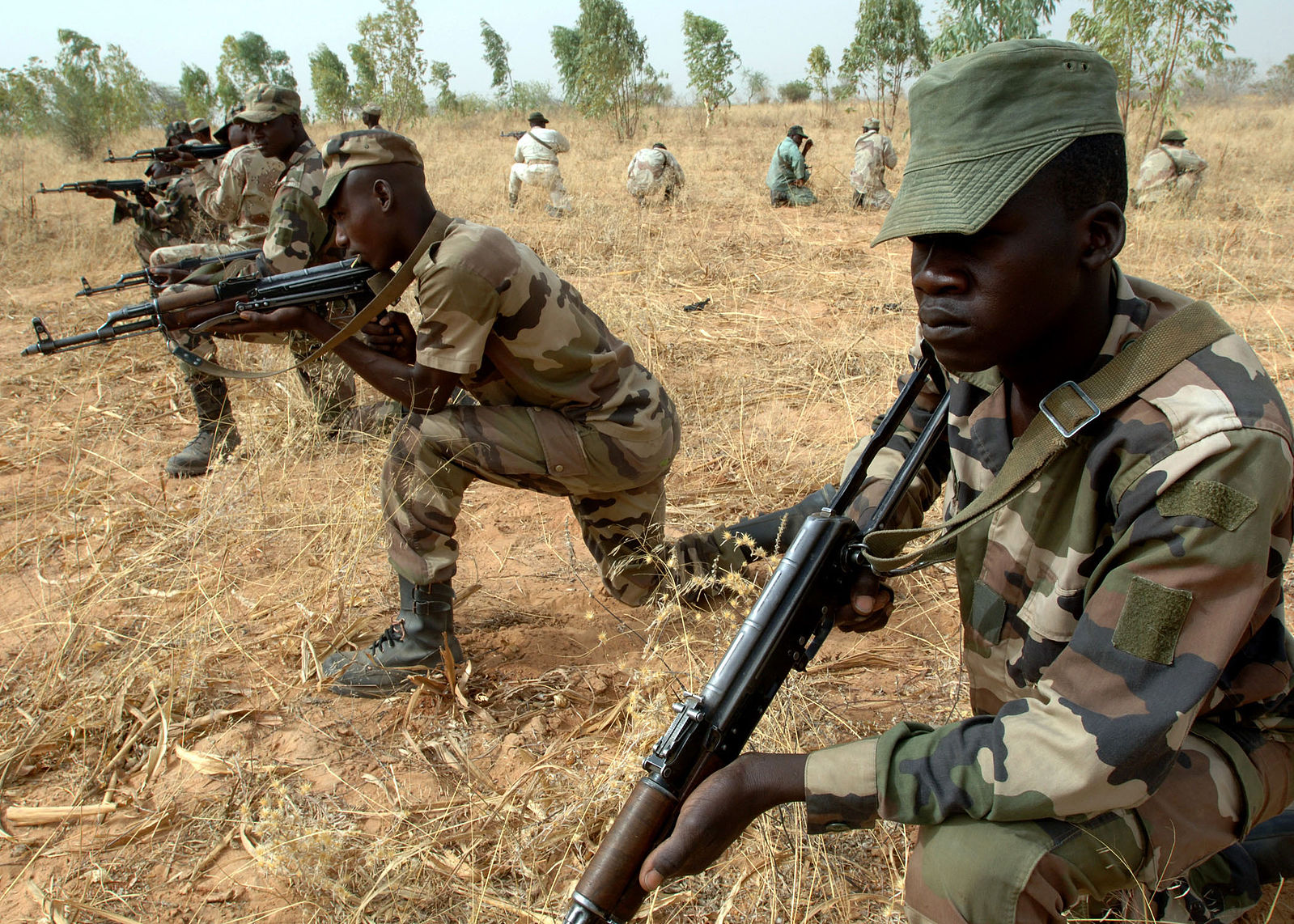
Soldiers kneeling

Coronavirus Pandemic Poses New Challenges in the Fight Against Violent Extremism is Northeast Nigeria

The spread of the coronavirus pandemic provides violent extremist groups with new opportunities to radicalize and recruit support in northeast Nigeria, where the public health crisis resulted in new restrictions on religious observations, acute economic fallout, and the increasing visibility of security sector abuses. While these developments threaten to exacerbate longstanding drivers of radicalization in the region, the pandemic will likely undermine the Nigerian state’s ability to counter these extremist groups, due to new constraints arising from budgetary shortfalls and shifting priorities that have placed new demands upon the police and military.

Read More »
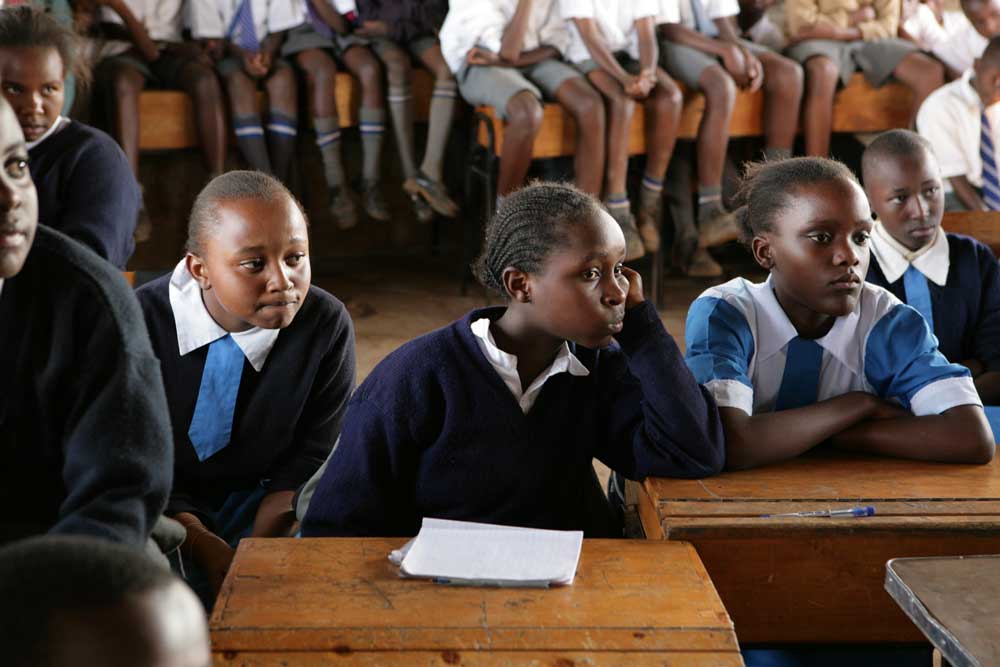
Kenya girls in classroom

Kenya Should Adopt Comprehensive Sexuality Education to Address the Vulnerability of Girls to Early Pregnancies

In Kenya, thousands of girls below the age of eighteen drop out of school every year due to pregnancies. Experts have predicted an increase in this number due to COVID-19 pandemic school closures. As Kenya continues to respond to the pandemic, it should prioritize and address the urgent need for comprehensive sexuality education in schools to reduce teenage pregnancies and protect the rights of children.

Read More »
Oulatta

How Can Sub-Saharan African Countries Minimize the Impact of Coronavirus Pandemic on Economic Performance?

The large-scale effect of coronavirus pandemic (COVID-19) sparked world-wide concerns over global economic developments. For Sub-Saharan Africa, the pandemic’s spillover effect on global trade and commodity prices has rendered its economic outlook bluntly uncertain. Particularly, because of the fact that the region’s economic trajectory remains on a balance-of-payments-constrained growth path. Which implies that Sub-Saharan Africa’s growth depends strongly on export, but the ability to import is also constrained by financial inflows and strong export performance; which in turn predictably depends on stronger commodity prices, foreign demand, and competitive depreciations (at least in the short run).
Read More »
17th African Union Summit

The Socio-economic Impact of COVID-19 on the African Economy

This paper seeks to demonstrate the possible socio-economic repercussions of the pandemic to the continent and proposes amongst others that, African countries should prioritise cheaper solutions in the fight against the COVID-19 given the acute financial constraints burden by these countries before the outbreak of the pandemic. Also, it is recommended that African countries reinforce the inter-continental trade agreement such as the African Continental Free Trade Agreement (AfCFTA) which could increase intra-African trade by 15 to 25% higher by 2040. And lastly the paper draws attention to the need for good governance and leadership in adequately fighting the harmful effects of the pandemic. To fight the pandemic, governments are taking a series of important decisions and allocating enormous sums of money in the procurement of medical equipment and supplies or direct state aid to businesses to boost the economy. High-value contracts are also swiftly and discreetly being assigned and dizzying sums of relief and recovery money are being infused in the economy on a fast-track basis. It is crucial for the government to remain vigilant and invest significant efforts to ensure that this money is used appropriately, and that unscrupulous actors do not take advantage of the crisis to enrich themselves at the expense of the public.

Read More »

Mechanizing Agriculture in Nigeria: Equipment Sharing Programs and Services

The agricultural sector is important to the Nigerian economy, not only because it employs so many Nigerians, but also because Nigerian policy has recently shifted towards agricultural protectionism. The short-term effects on food security and production are unsurprising in the context of a globalized economy built around comparative advantage. Domestic farmers tasked with filling the sudden gap between supply and demand will need to implement yield-improving techniques to succeed. Nigerian policymakers must apply successful models of agricultural development that improve efficiency at an affordable cost. I propose that equipment sharing services and subsidies for equipment leasing enterprises would most effectively accomplish this goal.

Read More »
Tropical mother and child

A Path Towards Women’s Socio-Economic Empowerment in Chad

The Sahel Women’s Empowerment and Demographic Dividend Project is a region-wide initiative by the World Bank to engage various national actors in women’s rights issues and bolster a demographic dividend in the Sahel. This piece studies first-hand accounts in Chad and academic sources to assess the risk of financial dependency developed by such initiatives towards sustainable community development. Additionally, the article examines the collective relationship between international actors, national governments, and locally run associations such as Focus International towards sustainable economic and political autonomy for Chadian women.

Read More »

Thank you for your submission.  We will be in touch with you soon.  If you have any further questions please email Robin Hardy.

Best regards,
The Africa Center for Strategic Progress