PUBLICATIONS

Credit- Unsplash photo library. Jordan Rowland, 2019

Burkinabe Men in Collective Action Against Gender-Based Violence

In 2015, the Sahel Women’s Empowerment and Demographic Dividend Project (SWEDD) began
operating in Burkina Faso. SWEDD has partnered with local NGOs to establish husband schools or “clubs des maris”. These “husband clubs” are local associations of men who come together to discuss a wide range of topics such as domestic violence, the importance of education for young girls, and access to reproductive healthcare. These social spaces are a positive development in the overall global fight against gender-based violence.
Read More »
Credit- UN Photo, Albert Gonzalez Farran

Protection of Civilians After UNAMID? Rising Violence Amid the Mission’s Looming Exit

Sudan’s Darfur states have seen a renewed escalation of intercommunal violence in the months of May-July 2020, representing the conflict’s deadliest three-month period since June 2017. While this intensification of hostilities reflects a pattern of violence observed in recent years, the looming departure of the UNAMID peacekeeping mission has heightened concerns over the ongoing state of insecurity and Protection of Civilian needs in western Sudan.

Read More »
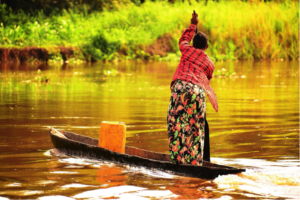
Women trading good via river. Credit-

Neopatrimonialism and its Development in Africa

Neopatrimonialism is a universal concept, especially when placed in the context of African politics. However, there is no precise definition of the term, only a basic theory capable of explaining its general denomination. The neopatrimonialism regime is fundamentally based on a social hierarchy system, in which the sovereign uses the resources of the state to ensure the loyalty of his clients within the population. It is an informal type of sovereign-citizen relationship, which can go from the highest structures of the state to all the individuals of the villages. In Africa, this type of regime evolved extremely quickly because of colonialism. In fact, colonialism is sometimes considered a ‘must happen’ turning point for most African countries. This paper will explore the concept of neopatrimonialism while considering Africa as an explanatory focus. However, before dwelling on the application of the neopatrimonialism regime on the African continent, it is also important to analyze the roots of this regime-type and the defining characteristics.

Read More »
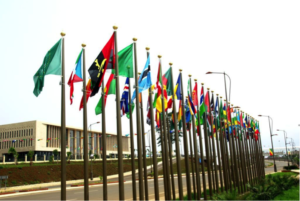
17th Africa Union Summit. Credit- Embassy of Equatorial Guinea

Bad Governance, #ENDSars Protest, and a Way Forward for Nigeria

Africa has been experiencing a wave of uprising recently that has brought attention to the consequences of bad governance. Governance and political leadership has been an area that the African continent has struggled with for quite some time. Since its “release” from colonization the continent has struggled with issues of exploitation, corruption, wars, and other destabilizing things. When it comes to governance in Nigeria, most say, it has been driven by self-interest. From not utilizing aid correctly to Boko Haram, most say that the Nigeria government does not have the interest of its citizens on its radar.

An analysis done by Akinola and Yagboyaju states that Nigeria fails in three major areas when it comes to governance and political leadership. These areas are security of lives and properties, promotion of the rule of law, and provision of visionary leadership . All three of these areas can be seen in the issue of police brutality in Nigeria. More specifically, the recent #ENDSars movement has highlighted, again, the presence of bad governance and the urgent need for improvement in the country.

Read More »
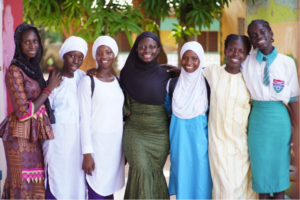
Young Women at Starfish International. Credit-Starfish International

The Socio-economic and Cultural Response to COVID -19 By Women in The Gambia

Currently, women and girls in The Gambia are taking robust action to contain the spread of coronavirus (COVID-19) nationwide. This piece draws attention to the pivotal work of two women, Ramatoulie Jallow, a public health consultant, and Mam Yassin Sarr, founder of Starfish International, a non-profit organisation that focuses on leadership and education for girls. It will address the importance of inclusivity and civic participation of women and girls in fighting the global pandemic. Moreover, this paper sheds light on local efforts by Ramatoulie and Mam Yassin as they mitigate the spread of the pandemic by considering the socio-economic and cultural implications of their work at local and community levels.

Read More »
Lagos Credit: Fakoyede Seun

COVID-19, Youth and Tech: The Chance to Build a Resilient Nigerian Economy?

COVID-19 presents a substantial threat to Nigeria, Africa’s largest economy. Heavily reliant on an unstable resource market for its revenue, the Nigerian government faces growing unrest and fiscal difficulty as unemployment rates surge amongst its predominantly youthful population. COVID-19 may mark a crossroads in Nigeria, wherein redirection from the legacies of oil and the colonial era can allow the state to realise the potential of its population, the majority of whom are under 25.

Read More »
Makurdi, Benue State. Credit— #EndSARS protest Nigeria

The #EndSARS Protest Crackdown: The Government’s Response and Matters Arising

Globally, it is no longer news what the #EndSARS hashtag and protest represents, what is now making the news rounds is how the democratically elected Government of Nigeria responded to the peaceful protesters, and how the young Nigerians who led the protest will react. However, for the benefit of anyone who may be coming in contact with the subject matter for the first time, let me give a quick introduction of the #EndSARS protest in Nigeria.

Read More »

Imperial Reckoning: an exceptional investigation into the violence and brutality which characterized the end of empire in Kenya

In ‘Imperial Reckoning: The Untold Story of Britain’s Gulag in Kenya’, author Caroline Elkins provides unique insight into late-colonial Kenya after having spent a decade of research in archives and conducting interviews with survivors of all sides of the Mau Mau rebellion in the 1950s. She provides a picture of an already racist regime whipped up in a frenzy of violence comparable to the worst atrocities of the second world war. Reading this account, one is especially struck by the similarities among the British colonial regime in 1950s Kenya and other genocidal regimes throughout history. Indeed, when racism and subjugation are the bedrock of rule, which is also devoid of democratic legitimacy, the gradual escalation of events to the point of inexplicable violence becomes the logical conclusion of such circumstances. This is one of the first in-depth investigations of Mau Mau, and Elkins provides a service in exposing the truth about the end of empire in Kenya.

Read More »
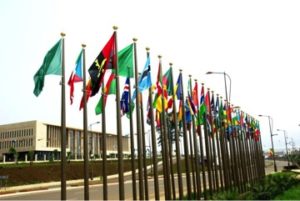
17th African Union Summit

The Socio-economic Impact of COVID-19 on the African Economy

This paper seeks to demonstrate the possible socio-economic repercussions of the pandemic to the continent and proposes amongst others that, African countries should prioritise cheaper solutions in the fight against the COVID-19 given the acute financial constraints burden by these countries before the outbreak of the pandemic. Also, it is recommended that African countries reinforce the inter-continental trade agreement such as the African Continental Free Trade Agreement (AfCFTA) which could increase intra-African trade by 15 to 25% higher by 2040. And lastly the paper draws attention to the need for good governance and leadership in adequately fighting the harmful effects of the pandemic. To fight the pandemic, governments are taking a series of important decisions and allocating enormous sums of money in the procurement of medical equipment and supplies or direct state aid to businesses to boost the economy. High-value contracts are also swiftly and discreetly being assigned and dizzying sums of relief and recovery money are being infused in the economy on a fast-track basis. It is crucial for the government to remain vigilant and invest significant efforts to ensure that this money is used appropriately, and that unscrupulous actors do not take advantage of the crisis to enrich themselves at the expense of the public.

Read More »

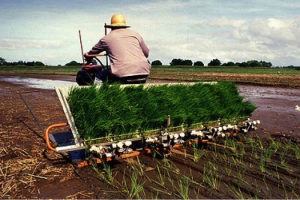
Mechanizing Agriculture in Nigeria: Equipment Sharing Programs and Services

The agricultural sector is important to the Nigerian economy, not only because it employs so many Nigerians, but also because Nigerian policy has recently shifted towards agricultural protectionism. The short-term effects on food security and production are unsurprising in the context of a globalized economy built around comparative advantage. Domestic farmers tasked with filling the sudden gap between supply and demand will need to implement yield-improving techniques to succeed. Nigerian policymakers must apply successful models of agricultural development that improve efficiency at an affordable cost. I propose that equipment sharing services and subsidies for equipment leasing enterprises would most effectively accomplish this goal.

Read More »
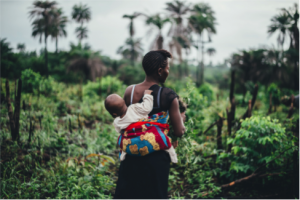
Tropical mother and child

A Path Towards Women’s Socio-Economic Empowerment in Chad

The Sahel Women’s Empowerment and Demographic Dividend Project is a region-wide initiative by the World Bank to engage various national actors in women’s rights issues and bolster a demographic dividend in the Sahel. This piece studies first-hand accounts in Chad and academic sources to assess the risk of financial dependency developed by such initiatives towards sustainable community development. Additionally, the article examines the collective relationship between international actors, national governments, and locally run associations such as Focus International towards sustainable economic and political autonomy for Chadian women.

Read More »
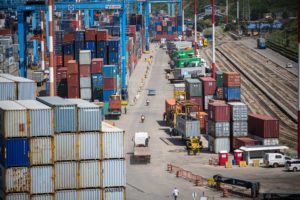
shipping_port

Africa, COVID-19, and the International Financial Institutions

It is important to take stock of the research on the effects of the COVID-19 pandemic on Africa, with emphasis on research findings by the international financial organizations that act as the first source of external funding for Africa. This paper focuses on research produced by the African Development Bank Group, International Monetary Fund (IMF), United Nations, and The World Bank, forecasting the impact of the pandemic on Africa. These international financial institutions serve as the principal source of data and a yard stick upon which other international organizations and governments determine their financial aid to Africa. To my knowledge, such an approach in presenting the research of the African Development Bank Group, IMF, United Nations, and the World Bank in a concise manner has not been attempted. Students of African Studies and international development, in general, would benefit from this synthesis of different methodologies and research output in determining the effect of COVID-19 on the African continent.

Read More »
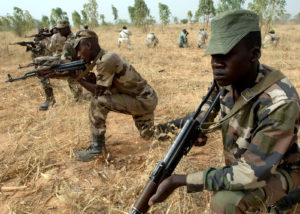
Soldiers kneeling

Coronavirus Pandemic Poses New Challenges in the Fight Against Violent Extremism is Northeast Nigeria

The spread of the coronavirus pandemic provides violent extremist groups with new opportunities to radicalize and recruit support in northeast Nigeria, where the public health crisis resulted in new restrictions on religious observations, acute economic fallout, and the increasing visibility of security sector abuses. While these developments threaten to exacerbate longstanding drivers of radicalization in the region, the pandemic will likely undermine the Nigerian state’s ability to counter these extremist groups, due to new constraints arising from budgetary shortfalls and shifting priorities that have placed new demands upon the police and military.

Read More »
Kenya girls in classroom

Kenya Should Adopt Comprehensive Sexuality Education to Address the Vulnerability of Girls to Early Pregnancies

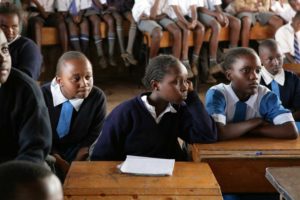
In Kenya, thousands of girls below the age of eighteen drop out of school every year due to pregnancies. Experts have predicted an increase in this number due to COVID-19 pandemic school closures. As Kenya continues to respond to the pandemic, it should prioritize and address the urgent need for comprehensive sexuality education in schools to reduce teenage pregnancies and protect the rights of children.

Read More »
Oulatta

How Can Sub-Saharan African Countries Minimize the Impact of Coronavirus Pandemic on Economic Performance?

The large-scale effect of coronavirus pandemic (COVID-19) sparked world-wide concerns over global economic developments. For Sub-Saharan Africa, the pandemic’s spillover effect on global trade and commodity prices has rendered its economic outlook bluntly uncertain. Particularly, because of the fact that the region’s economic trajectory remains on a balance-of-payments-constrained growth path. Which implies that Sub-Saharan Africa’s growth depends strongly on export, but the ability to import is also constrained by financial inflows and strong export performance; which in turn predictably depends on stronger commodity prices, foreign demand, and competitive depreciations (at least in the short run).

Read More »
Source: The Women's Peace Table in Kololi, The Gambia in 2019. Photo by John Gbenagnon

Women as Peacemakers in Senegal – Voices To Be Heard

The role of women in peacebuilding continues to receive global attention whilst being mandated by United Nations Security Council Resolution (UNSCR) 1325. The Casamance region in southern Senegal provides an excellent illustration of women as peacemakers.

Read More »
Courtesy Letipis Ole Supeet

In Arusha, Tanzania, Maasai Women See Opportunity Amid Crisis

“A village which is not discussed is not built,” or in the Maasai language (Maa), “Ore enkan nemeiguena, nemeshetayiu.” To the 150 Maasai women in the small village of Olmringiringa, Tanzania, nowhere is this adage more true as when parents consult weekly to discuss a number of community service needs, including continuous learning activities for village children who have had their education disrupted since schools were shut down due to COVID-19 in March 2020.

Read More »
2016-Makutsi South Africa (Courtesy Werner Bayer)

The Economic Impacts of COVID-19: Lessons from South Africa’s Lockdown

COVID-19 has hit every country hard and South Africa (SA) is no exception. In anticipation of how hard hitting the pandemic would be for SA, President Cyril Ramaphosa declared a national state of disaster on March 15 alongside several restrictions a mere 10 days after the first confirmed case. Among these restrictions was a lockdown in which citizens were restricted from moving freely, except for leaving their homes for essential tasks. The resultant effect of this is unprecedented economic strains. This article will highlight the economic impact of the pandemic in SA with regards to poverty, unemployment, gross domestic product (GDP), food insecurity and violence.

Read More »
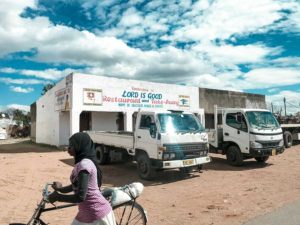
This photo, published in January, 2020 portrays a woman from Mangochi, Malawi riding her bike past men in trucks depicting the divide and common differences experienced between men and women in the informal sector. Credit: Aditya Septiansya

The Gendered Effects of COVID-19

The coronavirus pandemic has affected countries and regions all over the world in unique ways. Viewing the pandemic through a gendered lens, we find that it has significantly increased economic pressures and social obligations faced by women. However, with a new incoming government in the country, things may be set to change.

Read More »

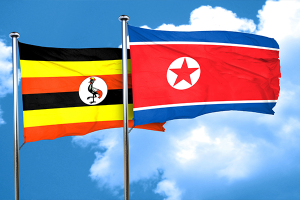
Uganda: North Korea’s African Ally

Uganda: North Korea’s African Ally Maxwell Bone, Research Fellow  A decades-long relationship continues to flourish, despite increasing pressure from UN sanctions. Following Uganda’s independence in 1962, the landlocked Central African country has suffered from multiple civil wars and guerrilla movements. One of those brought Idi Amin, a tyrannical dictator, into power in 1971. During his presidency,

Read More »
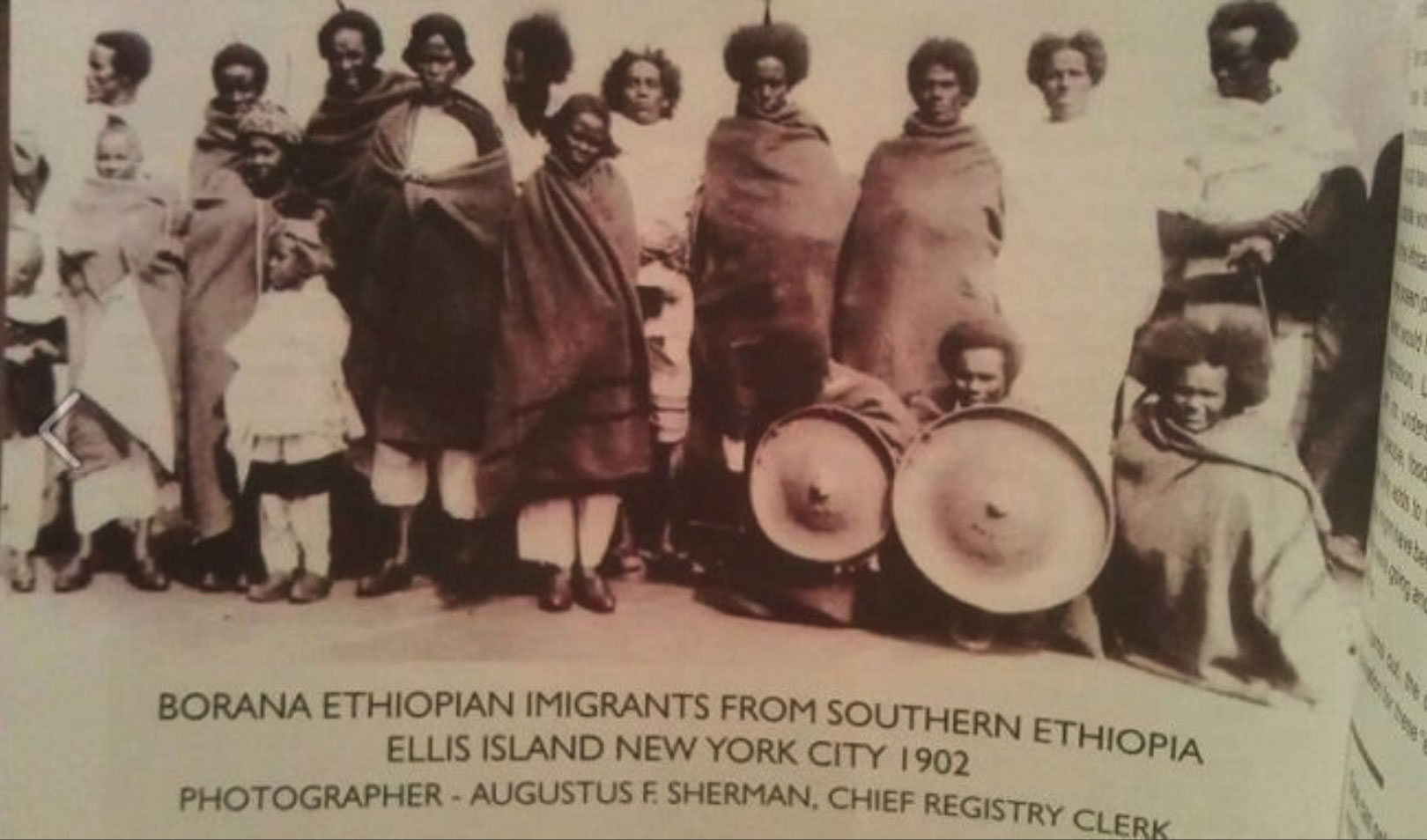
Figure 1. Borana Immigrants at Ellis Island. Photograph by Augustus F. Sherman, ca. 1905–1920. U.S. National Archives, Ellis Island 2005 Exhibition (New York, 2005). Photograph of the book page by Sora Halake from a copy held at the Martin Luther King Jr. Memorial Library, Washington, D.C.

Ethiopia’s Borana Community Traces Its Roots Back to Ellis Island, New York, More Than a Century Ago

Ethiopia’s Borana Community Traces Its Roots Back to Ellis Island, New York, More Than a Century Ago. Figure 1. Borana Immigrants at Ellis Island. Photograph by Augustus F. Sherman, ca. 1905–1920. U.S. National Archives, Ellis Island 2005 Exhibition (New York, 2005). Photograph of the book page by Sora Halake from a copy held at the Martin Luther King Jr. Memorial Library,

Read More »
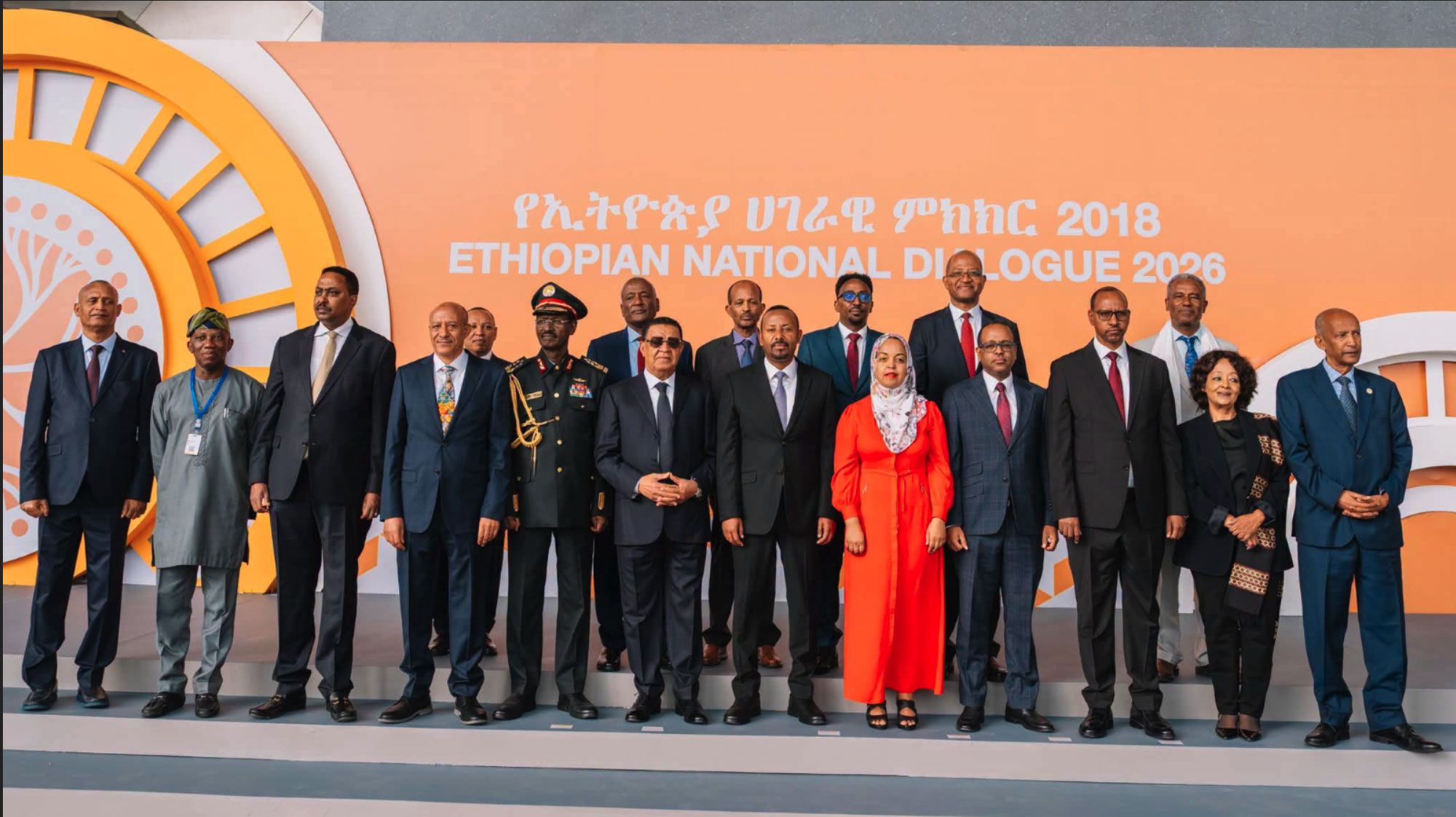
Prime Minister Abiy Ahmed with Senior Government Officials and Commissioners of the Ethiopian National Dialogue

The Twin Instruments of Power Consolidation in Ethiopia: National Dialogue and War Narratives 

The Twin Instruments of Power Consolidation in Ethiopia: National Dialogue and War Narratives  Ethiopian Broadcasting Corporation (EBC), “Prime Minister Abiy Ahmed with Senior Government Officials and Commissioners of the Ethiopian National Dialogue,” July 31, 2026 Milkessa Gemechu, Assistant Professor of Political Science, Albion Collegemilkessam@gmail.com  This article argues that Ethiopia’s Prime Minister Abiy Ahmed has employed the concept of “national

Read More »

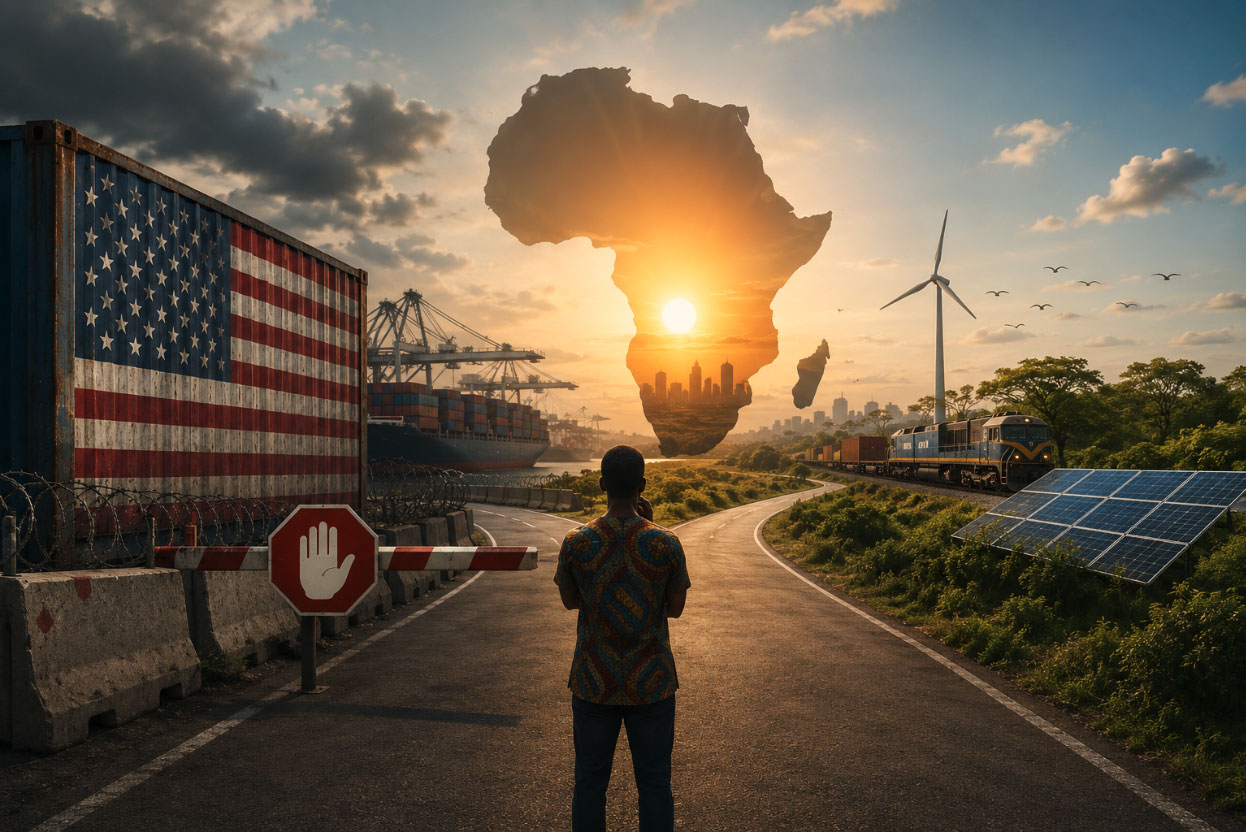
Rising Protectionism from the United States and Africa’s Future Beyond AGOA 

Rising Protectionism from the United States and Africa’s Future Beyond AGOA  OpenAI, AI-generated illustration of rising U.S. protectionism and Africa’s future beyond AGOA, generated with ChatGPT (GPT-5.5) and DALL·E, July 20, 2026 Morgan Anderson, Research Analyst, Foreign Policy & Diaspora Studies Lab  andersonmorgan043@gmail.com    This backgrounder examines the expiration of the African Growth and Opportunity Act (AGOA)

Read More »

Thank you for your submission.  We will be in touch with you soon.  If you have any further questions or do not hear back on your submission in a timely manner, please email editor@acstrap.org.

Best regards,
The Africa Center for Strategic Progress