PUBLICATIONS

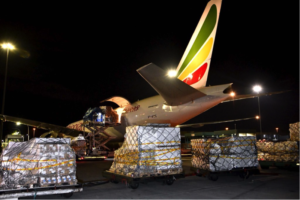
Arrival of medical supplies donated by People's Republic of China to South Africa

Principles for Independence: Maintaining African Autonomy in the Age of COVID-19

Africa is no stranger to combatting public health crises, and the renewed growth seen in many nations, coupled with the optimism of a new generation of younger and more reform-minded African leaders, means that there is a real opportunity to emerge stronger from the COVID-19 pandemic. To do so, however, it is important that African nations preserve their autonomy, and maintain a focus on the protection of self-determination, democratic representation, and their own national interests above those of external powers that seek to use COVID-19 aid as a lever of power.

Read More »
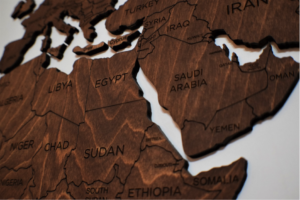
map of northern africa

Implications of Sudan’s Foreign Affairs on the future of Sudan

Sudan’s removal from the US State Sponsor or Terrorism List (SST) and the normalization of relations with Israel are two novel aspects of Sudanese foreign affairs that may prove especially significant in shaping the country’s future. While the normalization of ties with Israel was prematurely forced onto the government by the US, the overall outcome has the potential to help move the country forward.

Read More »
Sanitizer Credit World Bank Photo Collection

A Crucial Barrier to Covid-19 Response in Africa: Public Trust in Government Institutions

Governments all over the world are grappling with the coronavirus pandemic that is quickly spreading among populations. More than ever, trust between citizens and their governments is a critical factor in facilitating good governance and ensuring an effective response to the pandemic. Within an African context, this paper examines the dynamics that influence public trust in governments and their implications on effectiveness in response to social distancing protocols. The paper derives lessons for African governments to build, maintain and leverage public trust for the management of Covid-19 and other related diseases.

Read More »
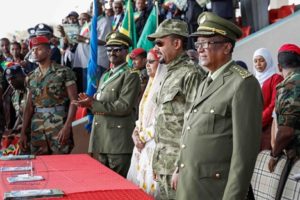
Prime Minister Abiy Ahmed at a parade with military comrades in February 2019

Media Blackout, Restricted Access and Misinformation in Ethiopia Conflict

Limited access to Ethiopia’s restive Tigray region has curtailed aid workers’ ability to operate there, leaving residents, including millions of children, cut off from essential services. Meanwhile, a slowly waning media blackout means it is near impossible for journalists to confirm details about the fighting, and the needs of residents in areas impacted by battles and airstrikes. Information about the situation in Tigray instead comes via the thousands of refugees who have poured over the Sudanese border in recent months, but their harrowing stories cannot be verified.

Read More »
Aerial Photo a Mine

The Cost of Breathing: The Sangaredi Mine and the Pfizer Vaccine

The global trade network of raw materials has been subject to much research and discussion. This paper links the history of the Guinean Bauxite mine, known as the Sangaredi Mine, to the distribution of the Pfizer COVID-19 vaccine. This linkage serves as a case study which speaks to the more extensive dialogue of exploitative resource mining and global health inequity. The COVID-19 virus and vaccine amplify the neo-colonial legacy affecting Guinea’s economic health and the well-being of its population. The linkage highlighted in this paper serves as an essential avenue to discuss long-standing policies rooted in economic inequity.

Read More »
africe-unchained featured

Prosperity & Poverty in Post-Independent Africa Debated

Why have many Africans remained the poorest in the world despite their continent’s development potential and the plethora of untapped mineral wealth? Among Africanists, no pastime is more common than the debate over Africa’s impoverishment.

Read More »
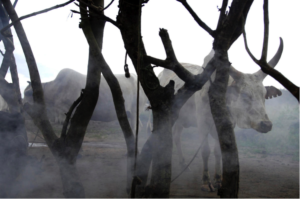
Cattle at a camp in Jonglei state South Sudan

South Sudan & the Dilemma of Civilian Disarmament

In response to a sharp escalation of intercommunal violence, South Sudan launched a civilian disarmament campaign in July 2020 to counter the proliferation of small arms. Rather than quelling the violence, this coercive campaign risks deepening South Sudan’s pervasive insecurity. Past attempts at civilian disarmament have repeatedly led to violent clashes between communities being disarmed and an abusive security sector, while geographically staged, incomplete disarmament efforts have often escalated intercommunal violence. Further, this approach does nothing to address the demand factors driving proliferation, leading communities to re-arm following the completion of disarmament exercises.

Read More »

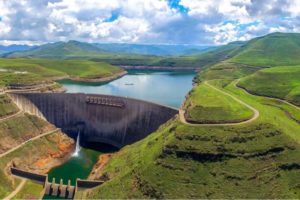
The Lesotho Highlands Water Project’s Perpetuation of Inequity and Food Insecurity Among Women

The construction of the Lesotho Highlands Water Project (LHWP) has led to immense
advancements in Lesotho’s energy sector and economy while also providing valuable water resources to South Africa. Unfortunately, this project’s construction has left many citizens of Lesotho displaced over the last couple of decades. Of those impacted, women suffer at disproportionate rates from food insecurity and financial instability caused by the construction of the LHWP. To mitigate the negative externalities of the LHWP, policymakers should make gender equality a focal point when enacting laws and promoting small-scale irrigation projects.

Read More »
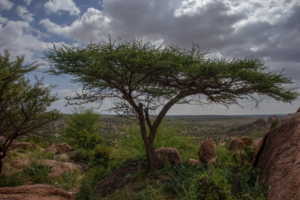
Dhagax Kure Ancient Rock Paintings, Arabsiyo, Somalia Credit: Yasin Yusuf

Regenerative Farming as Somali Security Policy

The extremist organization al-Shabaab capitalizes on food insecurity and internal displacement to recruit and coerce new members. Environmental damage to crops, upon which many Somalis rely for subsistence and livelihood, severely exacerbates these risk factors. To lessen the pervasive influence of al-Shabaab, and to increase overall stability, Somali farmers should adopt regenerative farming techniques, which decrease environmental vulnerability.

Read More »

Overlapping Insecurities: Maritime and Agrarian Resource Management as Counterterrorism

The ongoing presence of Al-Shabaab in Somalia exacerbates regional instability and poses a distinctive threat to women. After providing historic context to Al-Shabaab’s rise, this report identifies foreign intervention in Somali resource management as a causal factor behind the group’s continued influence.
This report ultimately suggests three local-level policies that would reduce vulnerability to both Al-Shabaab and foreign actors: seaweed farming, regenerative agriculture, and supportive day centers for women victims.

Read More »
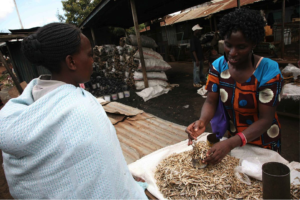
HIV-positive woman sells fish

Confronting the Overlap of Sextortion and Natural Resources in Kenya

This article explores the link between sextortion, defined as corruption involving sexual exploitation, and natural resource scarcity in Kenya. Kenya has become a case study for how resource scarcity—including water scarcity and the scarcity of fish—leads to the increased prevalence of sextortion. After examining the relationship between sextortion and resource scarcity in Kenya and positing the impact of increased resource scarcity, the article examines the limitations and potential roles of civil society and the government in addressing this issue.

Read More »
Zimbabwe Youth Biodiversity Network

Zimbabwe’s Biodiversity Advocates

Zimbabwean youth are reshaping environmental advocacy. As leaders of a grassroots movement, their message that biodiversity loss represents an existential crisis facing their generation is resonating with thousands of young people in Zimbabwe. The intersection of environmental and economic risk factors impacting the country is resulting in mounting pressures on the landscape, diminishing the ecological health of biodiverse as well as agricultural areas.

Read More »
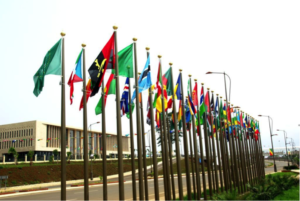
17th Africa Union Summit. Credit- Embassy of Equatorial Guinea

To Benefit from the Belt & Road Initiative, Africa Needs a Unified Approach

The Belt and Road Initiative (BRI) is the Chinese plan to “improve connectivity and regional co-operation on a trans-continental scale through large-scale investments.” The Chinese argue that the BRI will help develop global infrastructure. This paper investigates how the BRI is playing out in Africa. It argues that the Chinese government has ulterior motives and that countries must use caution when dealing with China. Countries that take a cautious approach to the BRI have seen some success. The African continent has been making strides towards a unified monetary union, and, similarly, African countries need to take a unified and limited approach to handle Chinese aid.

Read More »
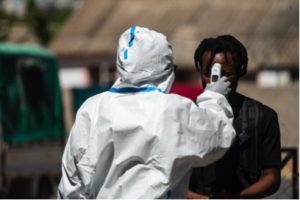
a man gets his temp checked

Avoiding Temptation: African Nations Should Not Militarize their Response to COVID-19

Given the threat from COVID-19, some African leaders have reacted to the pandemic by relying heavily on the tools of military and security infrastructure that are commonly perceived as most reliable when dealing with destabilizing threats to their national wellbeing. Unfortunately, this approach not only alienates the civilian population and further exacerbates the politicization of African militaries, but it also risks worsening the spread of the virus.

Read More »
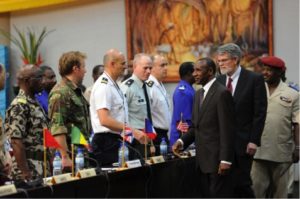
Leaders greeting each other

Restarting Growth in Countries with Ongoing Conflicts After Covid-19

The coronavirus pandemic (COVID-19) has caused disruptions across the globe on a scale not previously imagined. The pandemic unquestionably presents an era-defining challenge to public health and the global economy. Notably, it has exacerbated existing crises in conflict-afflicted countries. In light of this, UN Secretary General Guterres called for a ceasefire to allow countries to address the pandemic as it was impossible to embark on two battles simultaneously. This paper contends that the same will be true for the post-COVID-19 recovery, as the presence or threat of conflict will render any attempts at economic growth extremely difficult.[i]          Furthermore, it recommends that the fight against COVID-19 should coincide with the fight against various socio-political crises and armed conflicts in order to lighten the challenge of rebuilding the economy and dealing with the conflicts after the pandemic.

Read More »
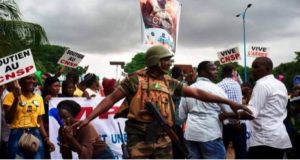
A Malian soldier manages a crowd of junta supporters. Credit: Michele Cattani/AFP via Getty

Three Reasons to Be Concerned With The Coup In Mali

The West African nation of Mali has plunged into a new era of uncertainty after military leaders seized control from a democratically-elected government in August, 2020. This seizure of power has a multitude of serious consequences not only for Mali itself but for the region at large. Having suffered over eight years of ethnic and religious violence, Mali now faces further insecurity due to the violent usurpation of political power. It will be a long road to recovery from the coup, and an ever longer road to the end of the ongoing Malian humanitarian crisis.

Read More »
A-stockpile-of-AK-47-rifles-belonging-to-members-of-the-Sudan-People's-Liberation-Army featured

Intensified Insecurity & the Subversion of Security Sector Reform in South Sudan

Despite the appearance of progress towards sustainable peace in South Sudan, the transitional security arrangements dictated by the R-ARCSS peace accord have produced the explosive potential for intensified insecurity. In adherence to the logic of the “payroll peace,” the parties to the R-ARCSS have subverted and defied the prescribed security sector reforms, leading to a renewed period of military recruitment, a hollowed-out process of force integration, and a stalled DDR program incapable of meeting combatants’ expectations. To avoid the return to major hostilities, further diplomatic engagement is needed to compel the parties to undertake these security sector reforms in good faith.

Read More »
Credit- Unsplash photo library. Jordan Rowland, 2019

Burkinabe Men in Collective Action Against Gender-Based Violence

In 2015, the Sahel Women’s Empowerment and Demographic Dividend Project (SWEDD) began
operating in Burkina Faso. SWEDD has partnered with local NGOs to establish husband schools or “clubs des maris”. These “husband clubs” are local associations of men who come together to discuss a wide range of topics such as domestic violence, the importance of education for young girls, and access to reproductive healthcare. These social spaces are a positive development in the overall global fight against gender-based violence.

Read More »
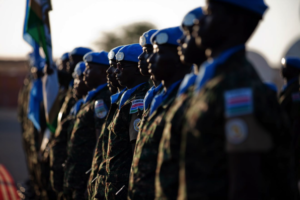
Credit- UN Photo, Albert Gonzalez Farran

Protection of Civilians After UNAMID? Rising Violence Amid the Mission’s Looming Exit

Sudan’s Darfur states have seen a renewed escalation of intercommunal violence in the months of May-July 2020, representing the conflict’s deadliest three-month period since June 2017. While this intensification of hostilities reflects a pattern of violence observed in recent years, the looming departure of the UNAMID peacekeeping mission has heightened concerns over the ongoing state of insecurity and Protection of Civilian needs in western Sudan.

Read More »
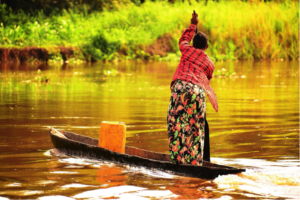
Women trading good via river. Credit-

Neopatrimonialism and its Development in Africa

Neopatrimonialism is a universal concept, especially when placed in the context of African politics. However, there is no precise definition of the term, only a basic theory capable of explaining its general denomination. The neopatrimonialism regime is fundamentally based on a social hierarchy system, in which the sovereign uses the resources of the state to ensure the loyalty of his clients within the population. It is an informal type of sovereign-citizen relationship, which can go from the highest structures of the state to all the individuals of the villages. In Africa, this type of regime evolved extremely quickly because of colonialism. In fact, colonialism is sometimes considered a ‘must happen’ turning point for most African countries. This paper will explore the concept of neopatrimonialism while considering Africa as an explanatory focus. However, before dwelling on the application of the neopatrimonialism regime on the African continent, it is also important to analyze the roots of this regime-type and the defining characteristics.

Read More »

The Sudan Crisis: Addressing the Humanitarian Emergency in Darfur

The Sudan Crisis: Addressing the Humanitarian Emergency in Darfur  Source: United Nations, 2004. Sudan. Map No. 3707 Rev. 7. Department of Peacekeeping Operations, Cartographic Section. Dr. John Bosco Nizeimana, Senior Research Analyst, Leadership & Governance Policy Lab, Africa Center for Strategy and Policybnizeimana@africacfsp.org   1.1 Introduction Sudan has undergone significant upheaval since the ousting of

Read More »
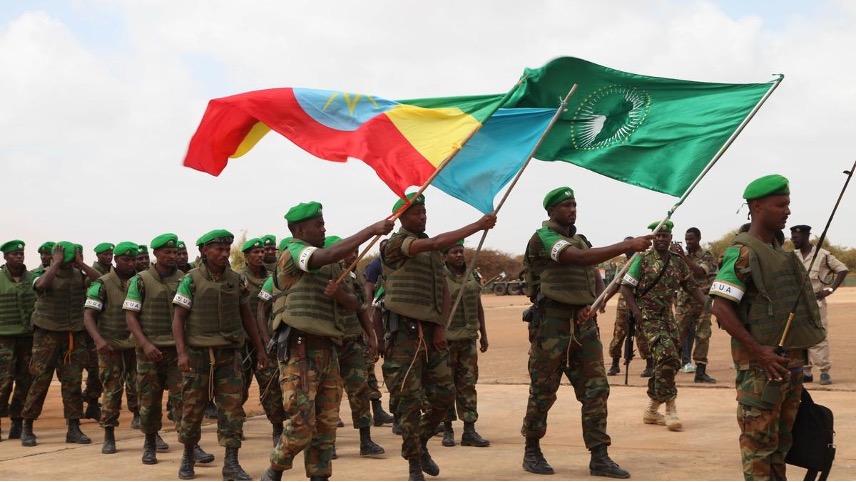
The first group of Ethiopia National Defense Forces (ENDF) troops deployed under the African Union Mission in Somalia (AMISOM), arrive in Kismayo, Somalia

Agenda 2063 and the End of the First Ten-Year Implementation Plan

Ten years into its implementation, Agenda 2063 is already facing considerable challenges to its future success. Institutional weakness is seen across the African Union, Regional Economic Communities, and member states are seen as the root of the problem for the challenges the agenda faces. If action is not taken to address problems in Agenda 2063’s performance, the African Union’s credibility within the continent and across the globe will suffer. This report urges the AU to strategically allocate financial and human resources to Aspiration Three, a specific goal within Agenda 2063 which focuses on state capacity and effectiveness. This report further advocates for targeted goals and increased investment in research, integrating research teams into member states’ reporting, while also emphasizing a prudent evaluation of Agenda 2063 priorities for effective resource allocation.

Read More »
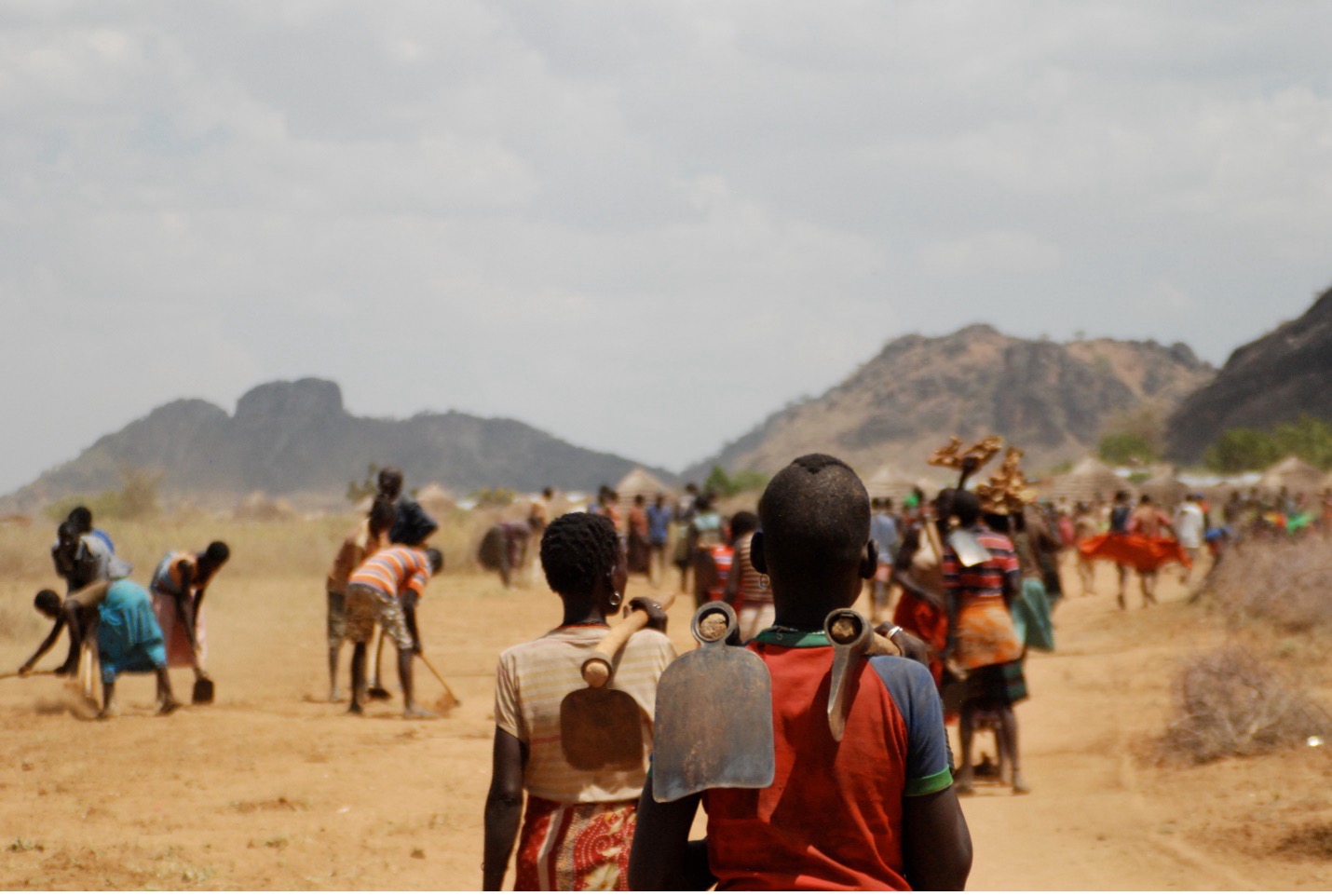
Cash-for-work programs help link remote Ugandan communities with markets (Courtesy USAID)

Consumer’s Technology Readiness and Adoption of Central Bank Digital Currency in Nigeria

The recent redesign of Nigeria’s currency, the Naira, resulted in cash shortages, significantly impacting consumers. Despite the Central Bank of Nigeria’s (CBN) efforts to promote the adoption of the e-Naira as a means for transactions, the digital currency did not achieve the anticipated success. This was attributed to consumers’ habits of utilising bank transfers and debit cards for transactions, rendering the adoption of digital currency less attractive than initially envisaged. Although the majority of Nigerian consumers possess smartphones and have reasonable internet accessibility, policymakers have overlooked their preparedness for integrating the e-Naira into their transactional practices. This study offered policy recommendations aimed at enhancing citizens’ readiness to embrace Central Bank Digital Currency (CBDC) for their day-to-day transactions. It advocates for the refinement of e-Naira features, mitigation of infrastructural deficiencies, and the strategic deployment of targeted influencer campaigns within communities to augment its adoption prospects among Nigerians.

Read More »

Thank you for your submission.  We will be in touch with you soon.  If you have any further questions or do not hear back on your submission in a timely manner, please email editor@acstrap.org.

Best regards,
The Africa Center for Strategic Progress