PUBLICATIONS

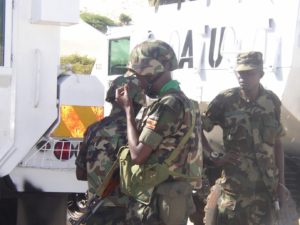
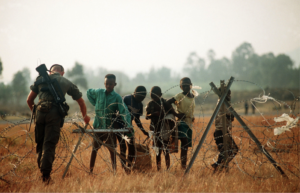
A French soldier, one of the international forces supporting the relief effort adjusts the concertina wire surrounding the airport while Rwandan refugee children watch

Conflict and Institutional Change in Sub-Saharan Africa

This paper seeks to determine under what conditions would a critical juncture result in an institutional change in countries mired in weak institution traps. Using Rwanda’s historical trajectory as a case in point, the paper illustrates that institutional change needs the initiation and alignment of various strands of endogenous forces to establish social trust, which subsequently become the launching pad for improving quality of governance.
Read More »
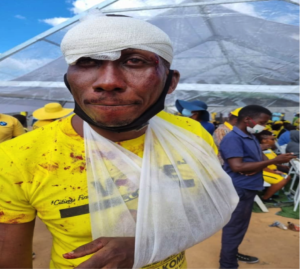
A CCC supporter, known as Misheck Chikwinya (39), who experienced an attack by ZANU PF supporters while attending a rally in Kwekwe in February 2022. Credit: The Newshawks

“We Will Crush You Like Lice:” The Spectre of Political Violence in Zimbabwe

The nation of Zimbabwe had by-elections in March 2022 and will host general elections in 2023. In protest of this new electoral regime, political violence has reared its ugly head. Due to their violent tendencies against the political opposition, the cadres of the ruling party, ZANU PF, and the state security agents are associated with the following lexicon: ‘merchants of violence.’ This article illuminates the issues of political violence in Zimbabwe, especially concerning these elections. The article contends that political violence is inimical to free and fair elections, political legitimacy, social cohesion, and the country’s national image and development.

Read More »
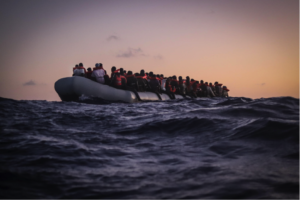
African Migrants at Sea

(Eu)Roped In: The Side-Lined Dimensions of Nigerian Victims of Sex-Trafficking

The year 2015 was labelled as the year of the “European migration crisis” owing to the elevated numbers of economic migrants, refugees, and asylum seekers attempting to enter the continent. Women represent a significant group in the migration flows of the Mediterranean; however, the complexity underlying their identities and realities has been poorly captured in policy documents. This piece uses religion as a tool to critically analyse the pre-migratory and post-migratory contexts of Nigerian women by adopting an intersectional lens. It simultaneously denounces the epistemic tendency to exclude religion from intersectional frames of reference.

Read More »
Rwandan girls pose for a photo

Expanding Access to Quality Education: Rwanda’s pledge to women and girls

In less than 30 years, Rwanda has made exceptional advances to redress social inequalities exacerbated by the devastating violence of the 1994 genocide. Advances in socio-economic and health outcomes have improved living standards for citizens and directed targeted funding ensuring universal primary education for most children. New conventions to mainstream gender equality have guaranteed an expanded female representation in politics and the workforce, enabling successive generations to contribute to the prosperity of Rwandan society. Though there are promising trends in the education sector, dangerous and competing patterns that perpetuate gender inequality also persist, threatening the success of these important advances.

Read More »
Ugandan African Union peacekeepers in Mogadishu, Somalia.

Political Currency and Liquidity in the Political Marketplace: Case Studies from Northwest Africa

The political marketplace is a framework for studying political contestation that posits political players can be understood as entrepreneurs acting in a marketplace buying and selling the commodity of loyalty. This paper extends current theory by proposing that political budgets are (1) comprised of three currencies – namely money, violence, and social capital – and (2) that these currencies are interconvertible. However, they are not always freely interconvertible thanks to liquidity shortages in the marketplace. This paper conceptualizes the idea of liquidity events that profoundly impact the liquidity and interconvertibility of currencies in that marketplace. It concludes with several lessons for policymakers.

Read More »
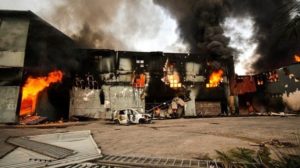
Anarchical scenes as protestors burn buildings in Durban during South Africa’s violent unrest in July 2021. Photo credit: BBC World News

The Southern African Development Community’s (SADC) Reaction to Security Threats in South Africa and Eswatini

In June and July 2021, violent protests which led to loss of lives and property erupted in Eswatini and South Africa respectively. In Eswatini, pro-democracy groups demanded political reforms. The arrest of South Africa’s former President, Jacob Zuma, triggered violent social unrest in South Africa. This paper assesses SADC’s reaction to the protests in the two countries. The paper contends that SADC’s reaction exposed the regional bloc’s fault lines. The paper recommends the adoption of a pragmatic, proactive, sustainable, and maximalist approach to conflict prevention and management by SADC.

Read More »
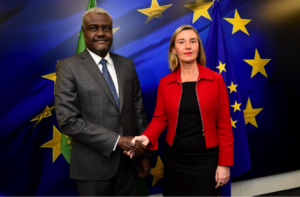
Federica Mogherini and the African Union Chair, Mr. Moussa Faki, February 2018. Credit: EEAS

African Continental Free Trade Area (AfCFTA): The Engine Behind Accelerated Growth After the COVID-19 Economic Saga

The disruptive impact of the COVID-19 pandemic has led to calls for greater market integration and industrialisation efforts. The African Union (AU) Secretary General cites the African Continental Free Trade Area (AfCFTA) as “the stimulus package” for Africa post-COVID. Yet, obstacles ranging from ubiquitous red tape, poor infrastructure, political unrest, excessive border bureaucracy and petty corruption to the entrenched protectionism of some of its members must first be overcome. This paper aims to provide policy recommendations on how African states could address these challenges and reap the best out of the AfCFTA Agreement.

Read More »
Computer Laptop

The Rise of Cyber-Attacks in Kenya: A New Terrorist Landscape

The digital landscape in Kenya is rapidly evolving, leaving critical infrastructure exposed to data breaches and malicious activity. Remote workers and businesses are easy targets for cyber criminals seeking to extract Personal Identifiable Information (PII) and valuable data. Phishing attempts, malware attacks, and other cyber threats are becoming increasingly concerning due to the rise in organized cybercrime groups, ransomware gangs, and bots seeking to exploit vulnerable cloud networks, outdated software, and unprotected devices.

Read More »
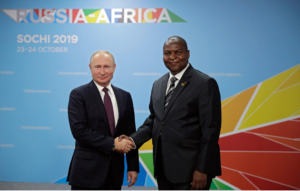
Vladimir Putin and Faustin Touadera 2019

Russia’s Influence in Africa: The Problematic Use of Quasi-State Corporations

The 2013 Russian Foreign Policy Concept towards Africa promulgated “mutually beneficial trade” and “settling… regional conflicts.” This paper discusses inconsistencies in Russia’s foreign policy by examining four cases: the Central African Republic, Egypt, Libya, and South Africa. Due to Russia’s economic limitations, quasi-state actors such as Yevgeny Prigozhin and Gazprom enable Moscow’s presence on the continent. Overall, Russia’s involvement asymmetrically benefits Russia’s national and private sector’s agenda over these African nations. Russia’s policy is stunting African economic growth and weakening governance across the continent.

Read More »
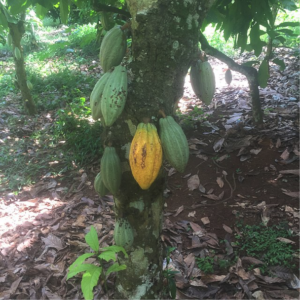
Growing Cocoa

The LID Unlidded: West African Countries’ United Attempt to Increase Cocoa Farmers’ Income

Despite the billions of dollars in revenue generated by multinationals in the chocolate industry, many cocoa farmers in Côte d’Ivoire and Ghana live below the poverty line. The Ivorian and Ghanaian governments’ joint program to implement a new premium, called the Living Income Differential (LID), to cocoa prices is intended as poverty relief. Although LID has not produced as many benefits as expected, the collective action in its applications and enforcement along with its potential to push chocolate companies to properly contribute to increased incomes for cocoa farmers make it an initiative worth keeping and improving.

Read More »
Illustration of Africa

Humanitarian Cash Assistance in the 21st Century: The Use of Cryptocurren

This article explores the history of digital currency in Sub-Saharan Africa, the use of cryptocurrency in humanitarian aid and the innovative use of cryptocurrency to distribute Universal Basic Income to vulnerable populations in need. This article will also touch on the role digital currency played during the height of COVID-19 in providing immediate cash assistance with limited human contact.

Read More »
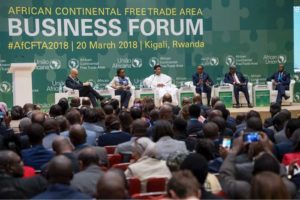
African Leaders at a conference

The African Continental Free Trade Area and Borderlands: Avoiding Pitfalls and Unlocking Potential

The African Continental Free Trade Area (AfCFTA) represents a once-in-a-generation opportunity to boost trade across Africa and lift millions of Africans out of poverty. However, like all free trade deals, the AfCFTA will inflict short-term economic pain on certain individuals and communities while creating new opportunities for others. These disruptions will be most acute in borderland regions across the continent. To minimize the AfCFTA’s adverse short-term effects on borderland communities, African governments should invest in border communities, prioritize extending state services into borderland regions, and eventually devolve political power and resources to local and regional governments to spur cross-border cooperation and unlock the AfCFTA’s full potential.

Read More »
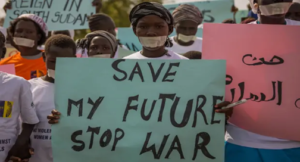
South Sudan Womens Anti War Protest in Juba 2017 Credit Stefanie Glinski AFP Getty Images

Race in Sudan and South Sudan Part 1: Intersectional and Cross-sectional

This piece seeks to examine how the ethno-social environment in Sudan and South Sudan specifically impacts race and its unique intersection with religion and gender in the two nations. By examining historical and current developments across the Republic of the Sudan (henceforth ‘Sudan’) and The Republic of the South Sudan (henceforth ‘South Sudan’), it is evident that the Arab and Non-Arab Worlds are colliding within two nation states that are effectively partitioned. However, the very sets of differences that separate the many groups within Sudan and South Sudan may hold the key to further reconciliation and human development.

Read More »
Terrorists linked to Ansar al-Sunna Credit- STATEA USA

An Emerging Landscape of Terror in Mozambique: Implications for the Southern African Development Community

An Emerging Landscape of Terror in Mozambique: Implications for the Southern African Development Community Terrorists linked to Ansar al-Sunna Credit: STATEA USA. Dr. John Bosco Nizeimana, Research Fellow, Leadership & Governance Policy Lab bnizeimana@africacfsp.org   This article analyses the current crisis in Mozambique and its implications for the SADC region. Since 2017, northern Mozambique has been experiencing terror campaigns led by

Read More »
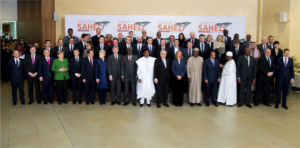
High Level Conference on the Sahel, February 2018 Credit: EEAS European External Action Service

Corruption in Africa – A Double Threat in the Fight Against COVID-19

The global crisis caused by the COVID-19 pandemic has placed unprecedented strain on public health systems and decimated economies, lives, and livelihoods. The distribution of cash grants and significant amounts of money flowing through global financial systems in the form of debt relief, loans from multilateral institutions, and government stimulus packages have been wrought with irregularities, some due to the weak underlying infrastructure necessary for distribution and others due to corruption. The paper argues for the establishment of anti-corruption hotlines and public campaigns by governments to raise awareness of the risks and consequences of corruption. Urgent responses to the COVID-19 pandemic should not come at the expense of continued corruption.

Read More »
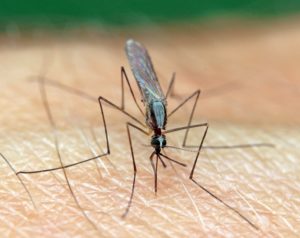
An Anopheles mosquito, the most common means of transmission of malaria (credit: Pixabay)

Beyond COVID-19: Diseases that Plague Africa

COVID-19 has affected nations worldwide, and Africa has been no exception. However, the focus cannot be removed from other diseases that continue to plague millions of African citizens. Prevention and treatment programs for malaria, tuberculosis (TB), and HIV/AIDS have been severely affected due to the increased attention on fighting the pandemic, leaving these diseases the ability to run rampant. This article reviews recent research that estimates the total impact of the reduction in programs targeted at these other diseases.

Read More »
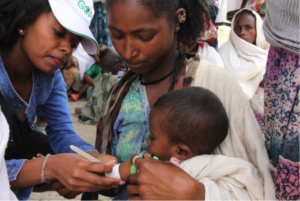
USAID Response to the Ethiopian Drought: Measuring for Malnutrition, Ethiopia, 2016

The Weaponization of Famine is a Losing Game in Tigray

This article explores the tactical and strategic incentives and disincentives for the use of famine in the ethnic conflict in Tigray, Ethiopia. Historically, Tigray has been a case study for how the intentional use of famine leads to increased instability and the revolt of an individual ethnic group against the central government. After examining the historical context and the modern-day political intricacies that ultimately led to the recent Tigray ethnic conflict, this article examines the tactical incentives and strategic repercussions of the use of famine by the Ethiopian federal government in the Tigray conflict—ultimately illustrating the consequences of the use of famine as a weapon of war in Tigray.

Read More »
Artificial Intelligence

Artificial Intelligence in the Modern World: Sub-Saharan African Perspective

The increasing use of digital technologies has created a more connected world. However, African nations are experiencing knowledge gaps and inadequate digital infrastructures. While investment in tech companies in Africa has surged since 2018, it could decrease if the continent does not develop the capacity necessary for artificial intelligence (AI) innovation in line with its global counterparts. States must define artificial intelligence, invest in research and infrastructure, as well as establish legislative policy frameworks to guide the development and investment in AI. This article analyzes the role of AI in Sub-Saharan Africa and the challenges faced in the adoption of AI. It then proffers policy recommendations based on this analysis.

Read More »
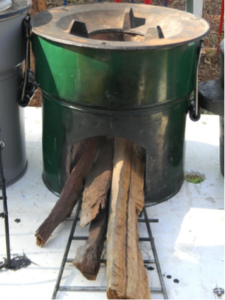
Cookstove on display

How Efficient Cook Stoves Can Improve the Environment and Women’s Health

The World Bank estimates that a cumulative 40 million worker years are wasted annually on gathering fuelwood for use in traditional cookstoves. This work is largely done by women, and it prevents them from otherwise using their free time for income-generating activities or schoolwork. Moreover, in many African countries, women and children spend hours cooking on these traditional cookstoves, which has led to poor health outcomes. Thus, emphasis needs to be put into the adoption and usage of improved cookstoves.

Read More »
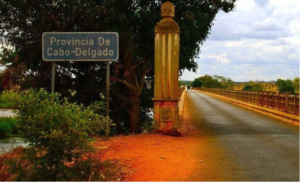
The Province of Cabo Delgado in Mozanbique. Credit ISS

The Islamist Insurgency in Mozambique, is SADC doing enough?

Ahlu Sunna wa Jama (ASWJ), an Islamic militant organization, has solidified its power in northern Mozambique through a violent insurgency. As the crisis intensifies, the prospect of a Southern African Development Community (SADC) intervention is becoming increasingly likely. If the bloc can resolve its differences and implement a joint military-humanitarian intervention, a larger regional crisis may yet be averted.

Read More »
Map of Africa with Flags

Arms for Ores: Trump’s Foreign Policy in African Security Dilemmas

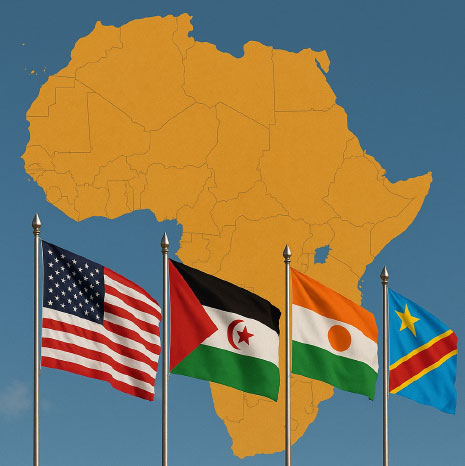
Arms for Ores: Trump’s Foreign Policy in African Security Dilemmas   Image created by ChaptGPT. Four flags (United States, Sahrawi Arab Democratic Republic, Niger, Democratic Republic of the Congo) pictured in front of the African continent. April 21, 2025 Sophia Wittemyer, Assistant Editorswittemyer@acstrap.com   This article analyzes Donald Trump’s first and current administration’s foreign policy

Read More »

The Politics of Dual Citizenship and the African Diaspora: How Political is Dual Citizenship?

The Politics of Dual Citizenship and the African Diaspora: How Political is Dual Citizenship? Person holding Italian, South African, and Malawian passports. iStock photo by People Images. Allen Tavazia, Research AnalystAshley Onwuzuruike, Research Analyst Million Samuel Gebre, Senior Researcher Nana Bruce-Amanquah, Lead Editor and Research Analyst Pandit Mami, Research Lead & Analyst Semawit Hagos, Research Analyst Taylor Widhalm, Research AnalystJared

Read More »
Sekgoma Memorial Hospital, Botswana

Social Policy in Sub-Saharan Africa and Colonial Institutional Legacies

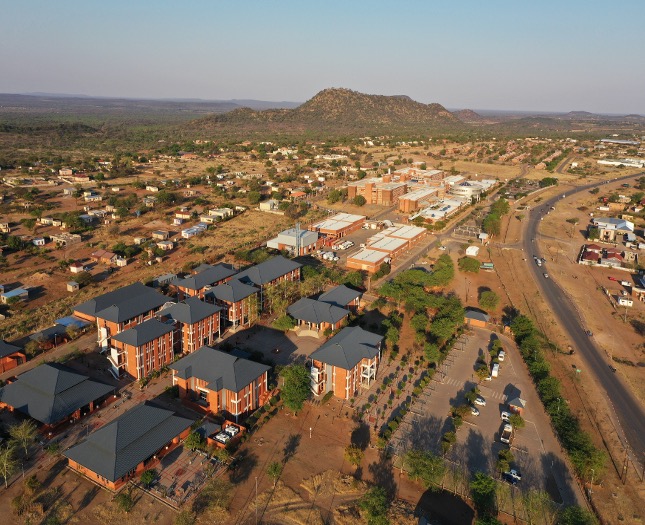
Social Policy in Sub-Saharan Africa and Colonial Institutional Legacies Credit: Kikai, Bashi. “Sekgoma Memorial Hospital, Botswana.” iStock, 2024. Pandit Mami, Research Lead & Analyst, Foreign Policy & Diaspora Studies Policy Labpmami@acstrap.org   EXECUTIVE SUMMARY Through political science research, we now know how the colonial legacies in the Global South informed the origin and path dependency

Read More »

Thank you for your submission.  We will be in touch with you soon.  If you have any further questions or do not hear back on your submission in a timely manner, please email editor@acstrap.org.

Best regards,
The Africa Center for Strategic Progress